
“One chapter,” I said to myself. “Okay, two.” In this way, I read Stacy McAnulty’s middle grade novel in two sittings!
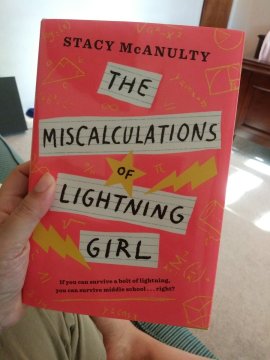
What I enjoyed:
- Math
References to pi and Fibonacci, plus a main character who calculates quicker than a calculator makes for a brain-tickling theme. Better than that, math is used to save shelter dogs, and the book reveals how math is all around us. Better than even THAT is the use our main character makes of math. Rather than being merely the author’s decoration, math is the MC’s coping mechanism for anxiety. Sometimes math gets in her way, but mostly Lucy Callahan uses her gift as a way to grasp this ungraspable world. Naturally, her inner journey hinges on going where no formula has gone before. - Friendships
Though Lucy starts out with only online math friends, her chances of making an IRL (in-real-life) friend increase exponentially when she’s forced to attend a public middle school. Though it’s rocky for a long time, and not without anger and tears, caring about a couple of people and having them care about you turns out to be worth it. This book focuses on Lucy’s new relationships, and I appreciate that one is inter-racial and the other inter-class-al, with both feeling natural. - Challenges
The reader sees at once that Lucy’s gift is also her curse. A lightning strike left her a math savant, but also a “freak.” She hides her talent at school, but we can’t be who we aren’t for long. Life drags her into facing one fear after another — her phobia of germs, her wish to stay with her online math peers rather than plain kids, and her aversion to smelly, lick-y dogs. - The Writing
First person works well here to bring the reader into Lucy’s mind, which is an interesting place! We experience her OCD first-hand and understand the psychological costs to not completing her routines. The plot moves along well, keeping the character arc and action arc connected, with action pushing Lucy’s emotional journey forward. The mean girls make their appearances, but they don’t dominate the scenes. The adults facilitate, but they don’t take over. The friends have their mini-arcs, growing and changing, too, underscoring the book’s hopeful tone.
Consider reading this one yourself and then handing it off immediately to the nearest 10-14-year-old!
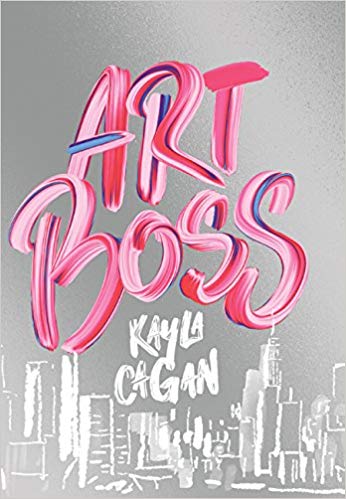 Meet Piper Perish, up close and personal! This first person, journal-style book gives the reader a front row seat to Piper’s brain, and that’s a fun place to be because she’s an artist, a teen finding her way in a new city, and a gal who is discovering that she can make meaning, not just money — which is good because she has a lot more meaning than money!
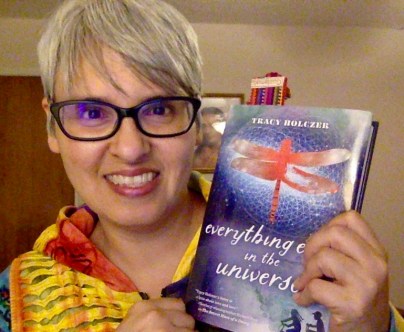 ning and his family.
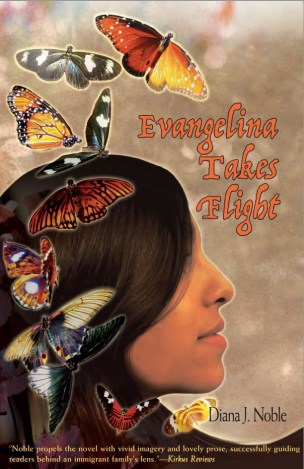 Kids aged 10-14 will enjoy meeting Evangelina and her family as they flee their village in Mexico during the Revolution in 1911. Gone are the scrumptious fruits of their hacienda and elaborate plans for Evangelina’s quinceañera. Instead, their lives turn to surviving a nighttime escape and a cold welcome in a Texas town. Readers will root for observant, kind Evangelina as she faces racism and condescension in school and throughout town. When her intelligence is noticed by a doctor, she finds a way to shine in the midst of cruelty.
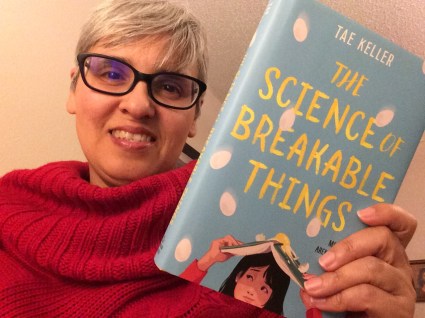 Looking for a book with head AND heart? Tae Keller’s THE SCIENCE OF BREAKABLE THINGS laces Natalie’s science notebook to her quest to save her mother from depression. With friends Twig and Dari, Natalie sets out to win an egg dropping contest that will fund her plan to show her mother a miracle in New Mexico — the Cobalt Blue Orchids that grow in toxic waste. Her mother studied the flowers back when she went to work, back when she left her bedroom every day, back when she left her bed. Now that their own orchid has died, it’s up to Natalie to remind her broken mother how beautifully tough orchids can be and how alive. Even as she finds herself breaking rules, breaking in to her mother’s lab, and breaking out of her therapist’s expectations, Natalie’s hope never cracks. Recommended!
 Rebecca Balcárcel